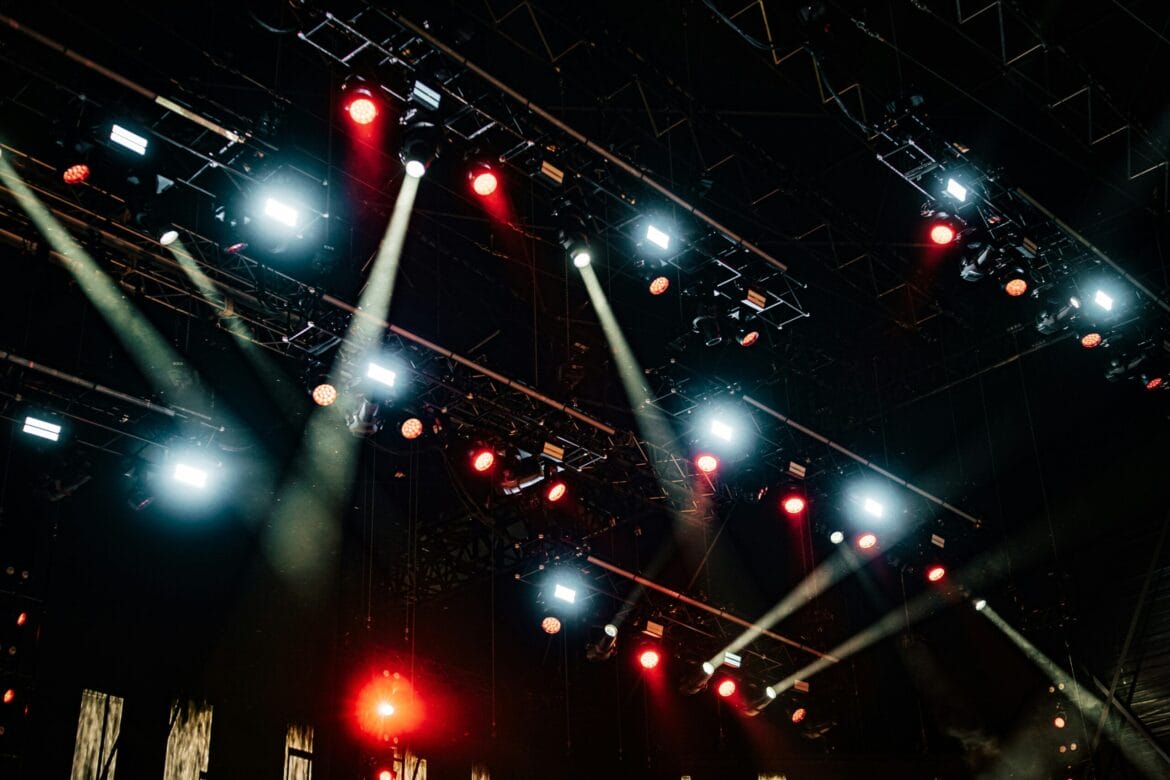
Entertainment is more than an industry; it’s a megalith. From Netflix to the West End, and from Spotify to your local grassroots music venue, the entertainment and media industry describes every piece of art with which you engage – and not just the money behind them, either.
Creativity is a human instinct, and its profitability is not a prerequisite for its existence. It is true, though, that every industry in entertainment and media is, sadly, governed by money and its lack – with historic government failures to fund the arts leading to a near-incalculable erosion of creative heritage and potential across the country. That money isn’t just needed to line the pockets of bigwig theatre producers and ensure the living wages of jobbing actors and artists; it’s also there to ensure productions and programmes can be run as safely as possible.
Health and Safety in the Entertainment Industry
This is because the entertainment and media industry, just as it describes an extremely wide range of disciplines and end ‘products’, describes an extremely wide range of logistical challenges and personnel risks. These risks are obvious when it comes to something like the Cirque du Soleil, but not quite as apparent on independent film sets or at your local gig venue. Every creative production has its own inherent risks, and no one entertainment-industry undertaking is truly free from the risk of life-altering injury.
It stands to reason, then, that businesses, projects and individuals in the entertainment and media industry are just as beholden to UK health and safety law as other industrial enterprises across the board – and in some cases more closely legislated than other industries altogether. Rather than looking at the legislation then backwards, it may be more helpful to look at some of the more common injuries to take place in the industry, and hence how the industry needs to handle health and safety in these regards.
Slips, Trips, and Falls
Slips, trips and falls are the most common cause of injury at work across the board; according to the Royal Society for the Prevention of Accidents, they are responsible for more than 40% of all reported injuries. Their causes are just as broad, but in entertainment and media could be: slippery surfaces, uneven flooring, and cluttered walkways on film sets, stages, and in event venues.
Stage and Rigging Accidents
A more serious form of potential injury comes from the risks inherent to stage and rigging accidents. Working at height is another danger not exclusive to entertainment industries, but its risks are more immediate on film sets and in theatres. It is here that serious head injuries are more likely, hence increasing the likelihood of brain injury claims against theatre companies or venues without the proper procedures to protect backstage and tech staff.
Pyrotechnics and Special Effects Mishaps
Finally, we come to a class of incident that is more or less unique to entertainment. Special effects and pyrotechnics are used to enhance live performances, but their improper deployment can lead to life-changing injuries – exemplified by those suffered by Michael Jackson, and James Hetfield of Metallica. Here, the importance of training is highlighted with especial strength.
 Add as a preferred source