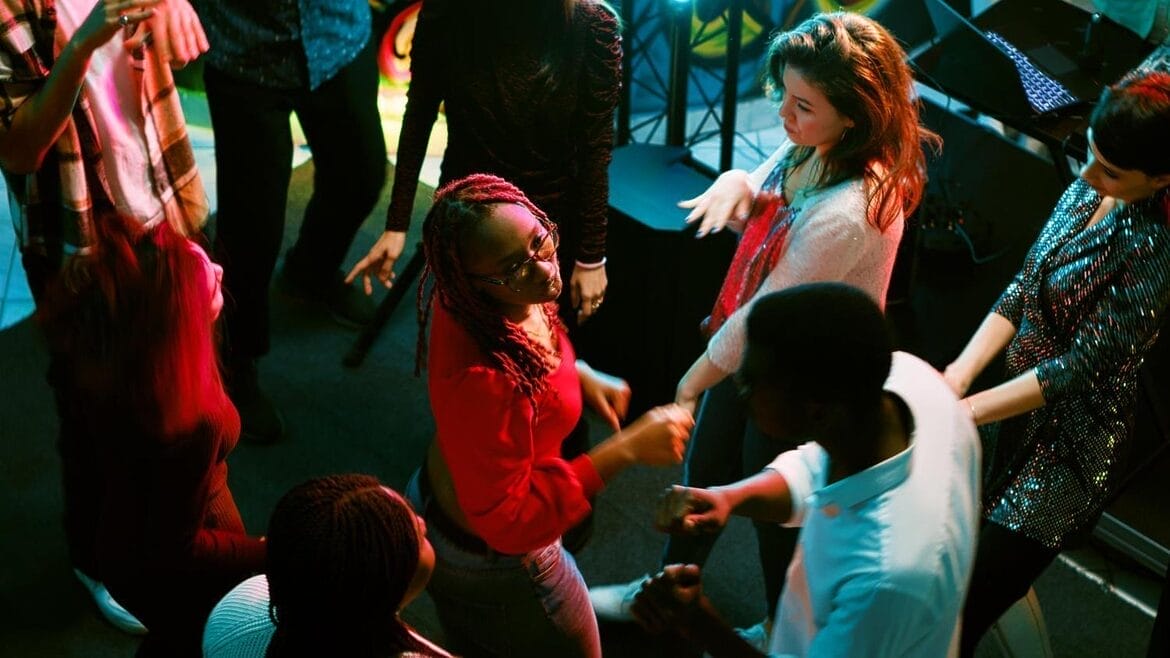
Music festivals have evolved far beyond their original concept of simply gathering crowds around a stage. Today’s events are immersive cultural experiences that combine music, art, community, and lifestyle. From sprawling multi-day gatherings to smaller boutique festivals, the modern festival scene offers much more than performances alone.
For many attendees, the time spent between sets can be just as memorable as the music itself. Festival grounds transform into temporary communities where people share food, stories, creative expression, and moments of relaxation. These spaces, whether campsites, chill-out zones, or art installations, help shape the atmosphere that defines each festival.
Understanding this broader culture reveals why festivals remain such powerful social experiences.
The Community Element
One of the defining characteristics of festivals is the sense of community they foster. Unlike traditional concerts, where attendees arrive shortly before the show and leave soon after, festivals invite people to stay for extended periods.
Many large events span several days, encouraging attendees to camp on-site or nearby. This extended timeframe creates opportunities for new friendships and spontaneous social interactions.
Campsites often become vibrant hubs of activity. Groups cook meals together, share music from portable speakers, decorate their tents, and create welcoming spaces for fellow festivalgoers.
These interactions contribute to the unique atmosphere of festivals. The temporary nature of the environment encourages openness and creativity, making it easier for people to connect with strangers who share similar interests.
Creativity in Festival Spaces
Festival culture is deeply intertwined with creativity. Beyond the music itself, attendees often express their individuality through clothing, campsite decoration, and collaborative art projects.
Colorful tapestries, LED lights, handmade signs, and unique sculptures frequently appear around festival campsites. Some groups even design themed camping areas that reflect a shared aesthetic or concept.
This creativity extends to festival organizers as well. Many events feature art installations, immersive environments, and experimental architecture designed to encourage exploration. Interactive sculptures and visual projections transform festival grounds into living galleries.
These artistic elements blur the line between performer and audience, allowing attendees to become active participants in the festival environment.
The Importance of Downtime
While music is the central attraction, festivals also require moments of rest and recovery. Long days under the sun, dancing through late-night performances, and navigating large crowds can be physically demanding.
Chill-out spaces provide a much-needed balance. Many festivals create designated areas where attendees can relax on cushions, hammocks, or shaded seating while enjoying ambient music or conversation.
These quieter environments allow festivalgoers to recharge before returning to the energy of the main stages. For some attendees, these moments of calm become some of the most meaningful parts of the experience.
The rhythm of a festival often alternates between high-energy performances and slower periods of reflection and connection.
Festival Lifestyle and Personal Expression
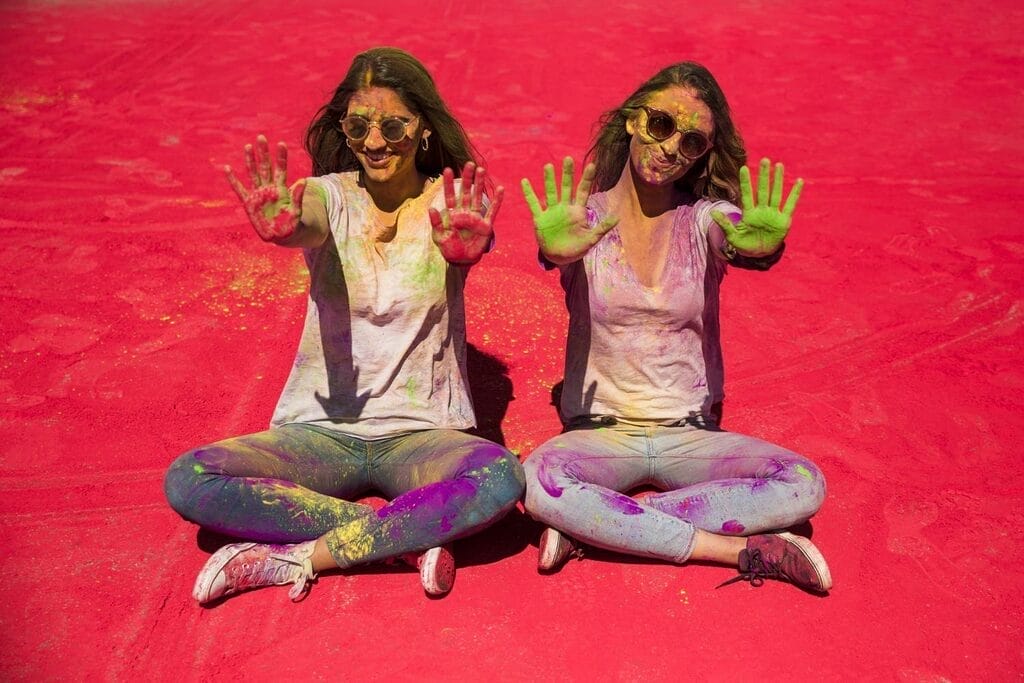
Festival culture also encourages experimentation with lifestyle and self-expression. Attendees often embrace fashion choices that feel more playful or expressive than what they might wear in everyday settings.
Flowing fabrics, vibrant patterns, body paint, and creative accessories are common sights at music festivals. Clothing becomes a form of artistic identity, allowing people to visually express their personality and mood.
Similarly, festivalgoers often bring items that enhance the social experience of downtime at campsites or chill zones. Portable seating, cooking equipment, and creative décor help transform simple camping areas into comfortable communal spaces.
These personal touches contribute to the atmosphere that makes festivals feel distinct from other types of events.
Shared Rituals and Traditions
Over time, festivals develop traditions that become part of their cultural identity. Sunrise gatherings, collaborative art installations, and spontaneous group performances often emerge organically as recurring features of festival life.
These shared rituals help attendees feel connected not only to the music but also to the broader community that forms around the event.
At many festivals, social areas become places where people gather after headline performances to continue conversations and celebrate the night’s highlights. These moments of collective energy reinforce the sense that festivals are about more than simply watching artists perform.
They are about experiencing something together.
The Role of Personal Spaces
Although festivals are communal environments, personal space remains important. Campsites often serve as small sanctuaries where attendees can retreat from the noise and activity of the main festival grounds.
Within these spaces, people bring items that contribute to comfort and relaxation. Whether it is comfortable seating, decorative lighting, or personal accessories, these objects help create environments where friends can gather and unwind.
In some groups, social rituals extend to shared relaxation practices that become part of their festival routine. For example, enthusiasts who appreciate glass artistry sometimes bring distinctive pieces, such as 22 inch bongs, which are valued both for their functionality and for their striking design.
Like many objects within festival culture, these pieces often serve as conversation starters that reflect personal tastes and artistic preferences.
Festivals as Cultural Experiences
What ultimately distinguishes festivals from other music events is their ability to create immersive cultural environments. Attendees are not merely spectators; they become part of the experience itself.
Through art, fashion, campsite creativity, and community interaction, festivals transform open spaces into temporary worlds filled with music and shared energy.
This immersive quality is why many people return to the same festivals year after year. Each event carries memories of past gatherings while also offering the possibility of new discoveries and connections.
As festival culture continues to evolve, organizers are exploring new ways to enhance the overall experience. Sustainability initiatives, expanded art programming, and improved campsite amenities are becoming increasingly common.
These developments reflect a growing understanding that festivals are not just concerts, they are cultural ecosystems that combine music, creativity, and community.
For attendees, this means that the festival experience will likely continue expanding beyond the stage. The music may remain the centerpiece, but the moments of connection, relaxation, and shared creativity will always play an equally important role.
In the end, the magic of festivals lies not only in the performances but also in the spaces between them, the conversations, the art, and the communities that emerge when thousands of people gather to celebrate music together.
 Add as a preferred source